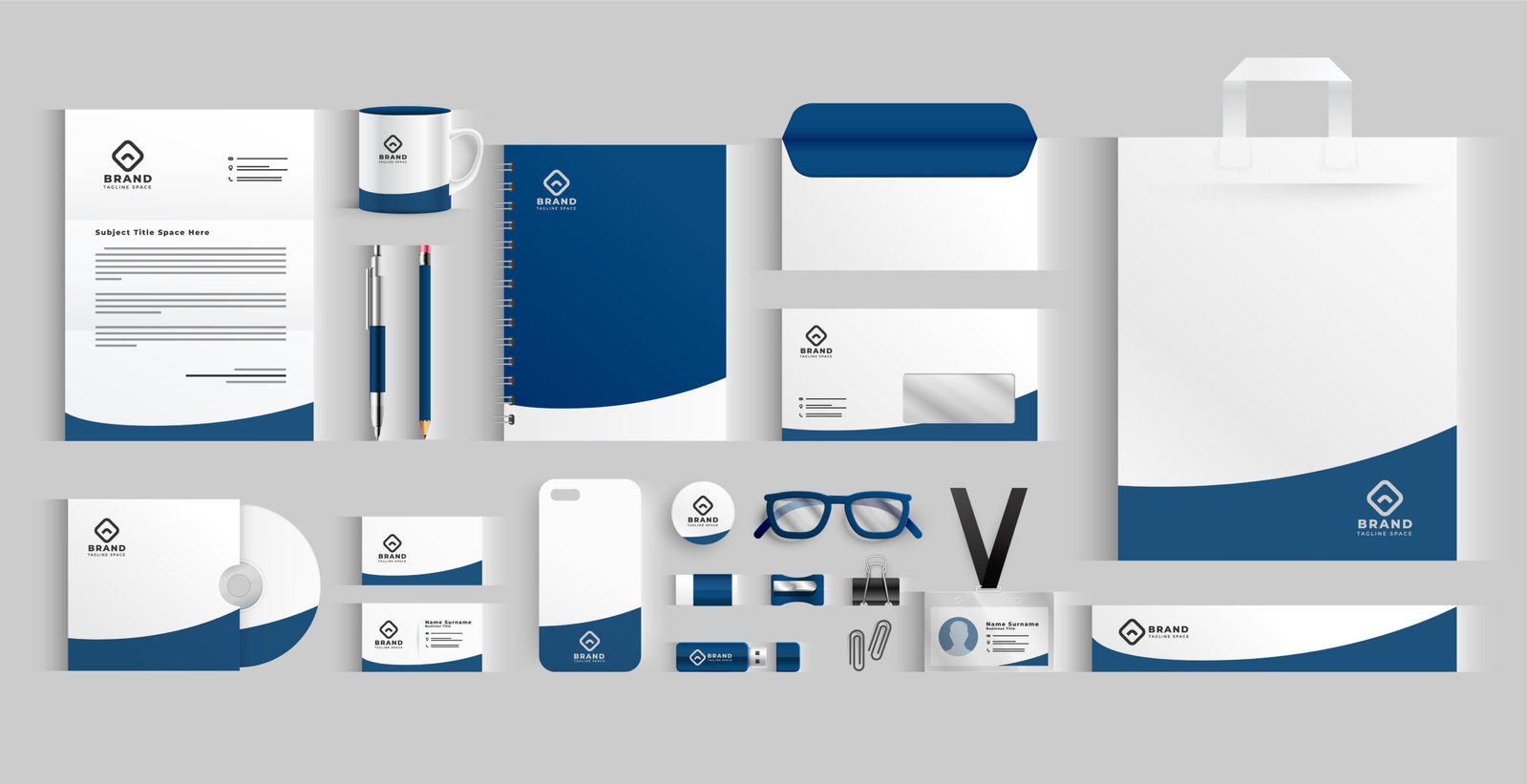
In an environment where brand image plays a crucial role, a brand identity guide is an indispensable tool for everyone. Whether you run a business, a nonprofit, or an organization, it remains just as essential. It ensures visual consistency in communication and allows a brand to be instantly recognized by its audience. But in practical terms, what is a brand identity guide, and why is it so important?
Definition of the visual identity guidelines
A brand style guide is a reference document that outlines all the rules for using a brand’s visual elements. It specifies exactly how these elements should be used across all communication channels, whether print or digital.
The main goal is to maintain a consistent visual identity so that every communication conveys the same image, regardless of the medium or the person creating it.
The components of a brand identity guide
A brand identity guide may vary depending on the organization’s needs, but it generally includes the following elements:
The logo
The logo is the central element of the visual identity. The style guide specifies:
– The different versions of the logo (color, black and white, monochrome, etc.)
– Minimum operating dimensions
– The safety margins that must be observed
– Permitted and prohibited uses
Colors
The brand guidelines define an official color palette with their exact color codes (CMYK, RGB, Hex, or Pantone). These colors play a key role in brand recognition.
Fonts
The fonts used for headings, subheadings, and body text are also specified to ensure visual consistency across all media.
Graphic elements
Some brand guidelines include icons, patterns, illustrations, pictograms, or photographic styles that reinforce the brand’s visual identity.
Layout guidelines
The document may also outline the principles of graphic design, such as alignment, spacing, information hierarchy, and the layout of sales materials.
Why create a brand identity guide?
Strengthen the brand identity
A consistent visual identity makes it easier for the public to remember the brand. The more consistently the visual elements are used, the greater the brand’s recognition.
Ensure consistency in communications
When multiple employees, agencies, or vendors are involved in content creation, the style guide serves as a common reference and helps prevent visual inconsistencies.
Save time
Thanks to clearly defined guidelines, communications teams and graphic designers have a clear framework for quickly designing materials that align with the company’s brand image.
Enhancing professionalism
Visually consistent communication inspires greater confidence in customers, partners, and prospects. It reflects the organization’s professionalism and credibility.
To which media does the brand guidelines apply?
The brand guidelines apply to all communication materials:
– Website
– Social media
– Business cards
– Brochures and catalogs
– Sales presentations
– Advertisements
– Emballage
– Signage
– Administrative documents
The goal is for each item to be immediately recognizable as belonging to the same brand.
Graphic guidelines and visual identity: what’s the difference?
These two concepts are often confused. Visual identity refers to all the graphic elements that define a brand. A brand style guide, on the other hand, is the document that explains how to use these elements correctly.
In other words, visual identity is the visual result, while the style guide is the set of guidelines for maintaining it.
Conclusion
The charter is much more than just a document about graphic design. It serves as a true strategic guide that ensures a brand’s consistency, recognition, and credibility across all its communication channels. Whether it’s a small business, an association, or a large corporation, having a clear and comprehensive graphic style guide is now a major asset for building a strong and professional image. You won’t be able to build or improve your visibility on social media without a minimum set of graphic design elements.