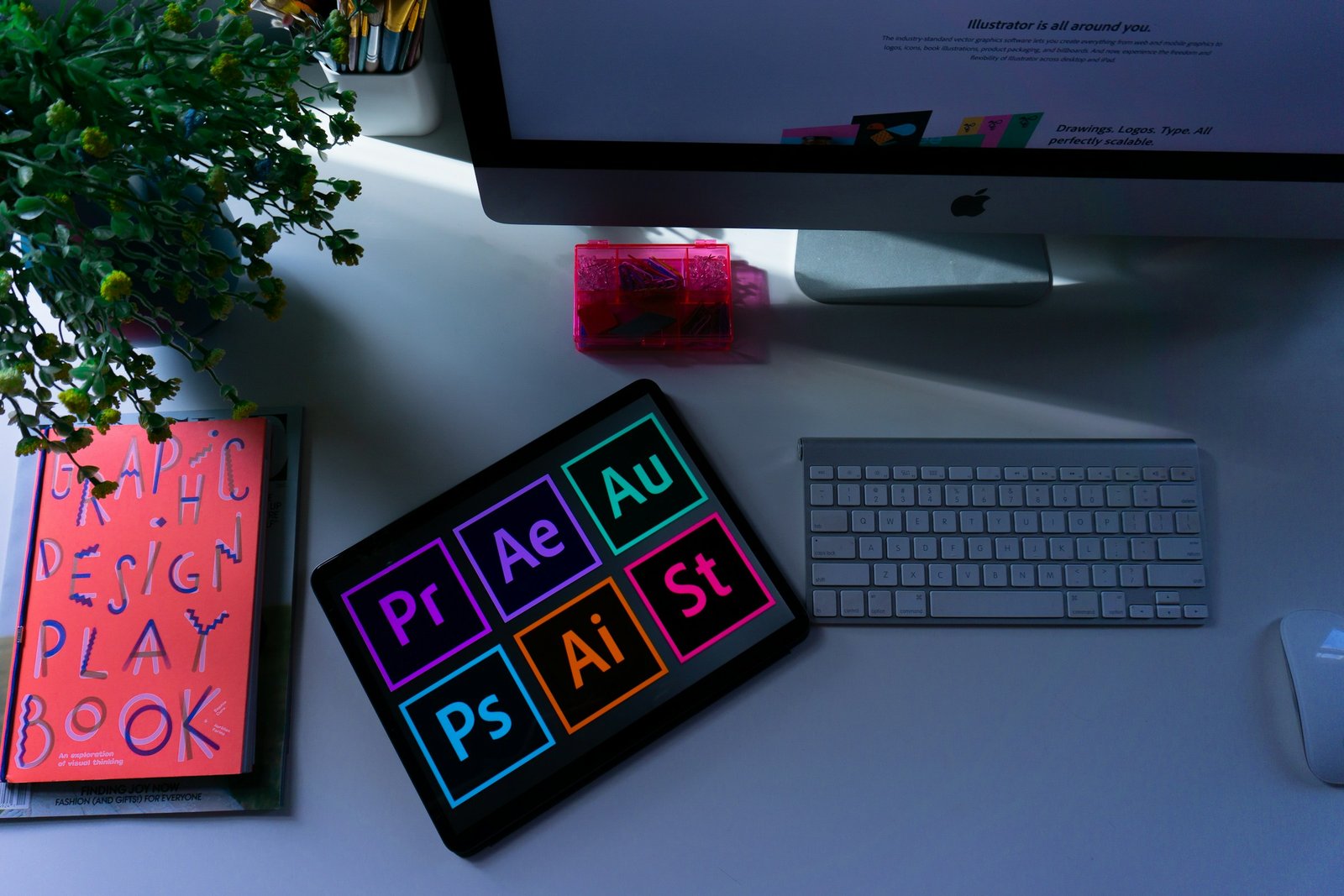
The very definition of graphic design is somewhat vague and complex. However, this concept can be understood as any form of visual creation—whether static or animated—intended to convey information to an audience. It can be created digitally or crafted by hand. Graphic design is a broad field that encompasses many different areas.
I- What is graphic design?
Graphic design is an art form. It is a form of visual communication created by combining various elements (shapes, colors, text, etc.). Its purpose is to convey a message, evoke specific emotions, or leave a lasting impression on those who view it.
Graphic design helps brands define a visual identity, implement it, and communicate it to their customers to foster better engagement.
II- 3 Types of Graphic Design
Graphic designers are responsible for various types of projects depending on their skills and the software they are proficient in. Among these types, we will highlight three of the most popular:
UX Design: This type focuses primarily on the user experience. The UX designer focuses on how users will navigate the interface. To do this, they must consider visual elements, the user journey, user expectations, and information hierarchy. This type of design is primarily found in landing pages, websites, and applications.
UI Design: a subset of UX design, this area focuses primarily on the interface experience. Here, the goal is to shape every visual detail perceived by the user and optimize interaction. Here, the focus is on interface elements such as action buttons, icons, menus, and typography that can make navigation as smooth as possible.
Brand Design:Brand or branding graphic designers play a key role in developing a brand’s visual identity. They work on elements such as color schemes, typography, iconography, and image style. Their work also includes creating logos and producing brand materials such as illustrations or simple infographics.
III- Elements of Graphic Design
Graphic design classifies elements into different categories of graphic elements:
Colors: Colors are generally associated with various emotions. A good designer will therefore be able to choose the colors for their design based on the kind of emotions the audience is supposed to feel when seeing it. This is a science in itself, and choosing the right color in the right place can make all the difference between winning a client and boring a prospect.
Images and shapes: A designer also knows how to use images and shapes of varying complexity to add dimension to their visuals. This creates atmosphere, depth, and a certain level of complexity. Here we find images, illustrations, shapes, icons, and other types of infographics.
Text and Formatting: Typography is an essential element to consider in graphic design. Text should never be placed randomly. The choice of font, size, and style are very important. Similarly, line spacing and kerning (the space between letters) are subtle factors with a powerful impact on the final result.
Layout: Layout here involves arranging graphic elements in the right way. Placing images in the right spot, ensuring text stands out clearly, and positioning logos and other graphic elements where they belong without looking out of place in the rest of the layout.
Graphic design is a broad field that encompasses a wide range of knowledge and skills. In a sense, it can be seen as the art of arranging visual elements to convey a message. But in another sense, there are many ways to achieve this while still falling within this broad definition of the term. Ultimately, graphic design is a broad field, and it is often best to hire a professional to handle the visual aspects of the projects you need.